
If you’ve come across the word acamento, you’re probably wondering what it really means and why people are talking about it. You’re not alone. This term is still new for many, but once you understand it, everything starts to make sense.
In this guide, we’ll break down acamento in the simplest way possible. No complicated words. No fluff. Just clear, useful information you can actually use.
What Is Acamento?
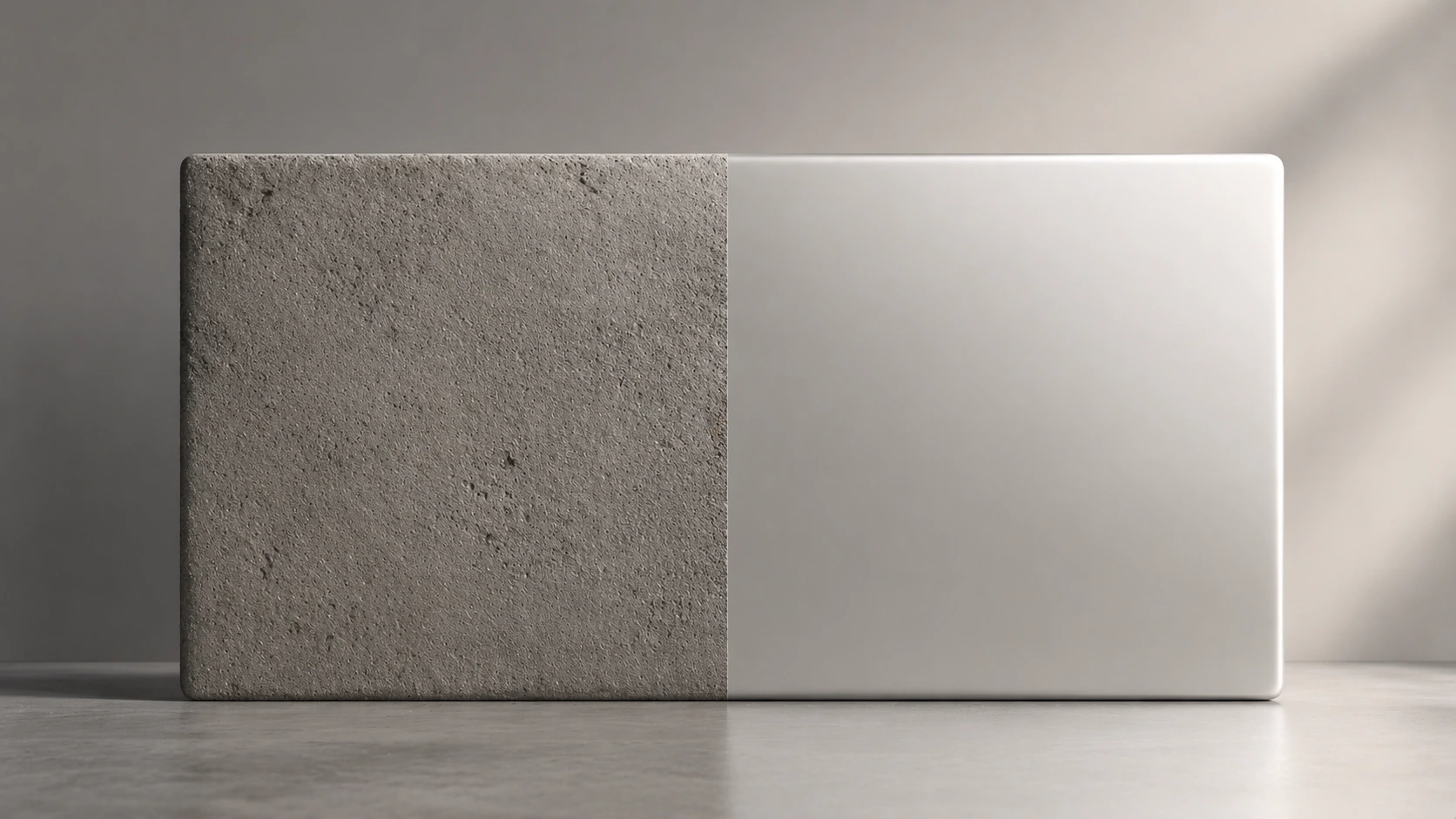
Acamento is a term used to describe a finishing process or final touch applied to something to improve its look, feel, or quality.
In simple words:
Acamento = the final step that makes something complete and polished.
It can be used in different areas like:
- Design
- Construction
- Products
- Digital work
- Creative projects
Whenever something goes from “almost done” to “fully ready,” that step is often called acamento.
Why Acamento Is Important
You might think the last step doesn’t matter much. But in reality, acamento is what people notice first.
Here’s why it matters:
1. It Improves First Impression
People judge quickly. A clean and polished finish makes your work look professional.
2. It Adds Value
Good acamento can make a simple thing feel premium.
3. It Shows Attention to Detail
Small details build trust. When the finish is right, people take you seriously.
4. It Increases Usability
In many cases, acamento also makes things easier to use.
Where Is Acamento Used?
The word acamento can be used in many fields. Let’s look at some common ones.
1. In Design
In graphic or digital design, acamento means:
- Clean layout
- Proper spacing
- Balanced colors
- Smooth visuals
It’s the difference between a rough design and a professional one.
2. In Construction
In building work, acamento refers to:
- Paint finishing
- Flooring details
- Wall textures
- Final fittings
Without proper acamento, even a strong building can look incomplete.
3. In Products
For physical products, acamento includes:
- Surface finishing
- Smooth edges
- Polished look
- Packaging quality
This is what makes a product feel “ready to sell.”
4. In Content Creation
Even articles, videos, or posts need acamento:
- Clear structure
- Clean formatting
- No errors
- Easy reading flow
That’s exactly what you’re seeing in this article.
Types of Acamento
Not all acamento is the same. It depends on the work you’re doing.
1. Visual Acamento
Focuses on how something looks:
- Colors
- Design balance
- Clean layout
2. Functional Acamento
Focuses on how something works:
- Smooth performance
- Easy navigation
- No bugs or issues

3. Physical Acamento
Used for real-world items:
- Texture
- Material finish
- Final polish
4. Digital Acamento
Used in online work:
- Fast loading
- Responsive design
- Clean UI
How to Do Acamento the Right Way
Now the important part: how do you actually apply acamento?
Follow these simple steps.
Step 1: Finish the Main Work First
Don’t rush into acamento too early.
Make sure:
- The core work is complete
- Everything is working
- No major changes are pending
Step 2: Focus on Details
This is where acamento really happens.
Check:
- Alignment
- Spacing
- Colors
- Smoothness
Small fixes make a big difference.
Step 3: Remove Errors
No matter the field, errors kill quality.
For good acamento:
- Fix mistakes
- Remove rough edges
- Clean up everything
Step 4: Test Everything
Before finalizing:
- Test usability
- Check performance
- Look from a user’s point of view
Step 5: Keep It Simple
Overdoing acamento can ruin things.
Remember:
Simple and clean always wins.
Common Mistakes in Acamento
Many people try to improve their work but end up making mistakes.
Avoid these:
1. Overdesign
Too many effects or elements make things messy.
2. Ignoring Function
Good acamento is not just about looks. It must work well too.
3. Rushing the Process
Skipping steps leads to poor finishing.
4. Copying Others Blindly
Your acamento should match your project, not someone else’s.
Benefits of Good Acamento
When done right, acamento gives you strong results.
1. Better User Experience
People enjoy using clean and polished things.
2. Higher Trust
A well-finished product feels reliable.
3. More Engagement
Good presentation keeps users interested.
4. Competitive Advantage
Better acamento helps you stand out.
Real-Life Example of Acamento
Let’s make it simple.
Imagine two websites:
- One looks messy, slow, and unorganized
- The other is clean, fast, and easy to use
Both may have the same content, but the second one wins.
Why?
Because of better acamento.
How Acamento Affects SEO
If you’re creating content for Google, acamento plays a big role.
Here’s how:
1. Improves Readability
Clean structure keeps users reading longer.
2. Reduces Bounce Rate
Users stay longer on well-finished pages.
3. Increases Trust Signals
Google prefers content that looks professional.
4. Enhances Mobile Experience
Good acamento ensures your site works on all devices.
Tips to Improve Your Acamento Fast
Want quick improvement? Follow these:
- Keep layouts clean
- Use simple fonts
- Avoid clutter
- Maintain consistency
- Check everything twice
- Think like a user
Even small improvements in acamento can change results a lot.
Is Acamento Only About Looks?
No. This is a common misunderstanding.
Acamento is about both:
- How something looks
- How something works
If one is missing, the job is not complete.
Future of Acamento
As technology grows, acamento is becoming more important.
People now expect:
- Faster performance
- Cleaner design
- Better experience
Whether it’s a product, website, or service, strong acamento will always be a key factor.
Final Thoughts
At the end of the day, acamento is what turns “good” into “great.”
It’s not about doing more.
It’s about finishing things the right way.
If you focus on clean, simple, and useful finishing, you will always stay ahead.
Leave a Reply